ark
The planning of the new Architecture and Design Museum is currently proceeding in a thoughtful and transparent manner, write Kaarina Gould and Pilvi Kalhama.
The Finlandia Prize for Architecture is a breeding ground for a destructive myth when it comes to architectural creativity, claims Anni Vartola.
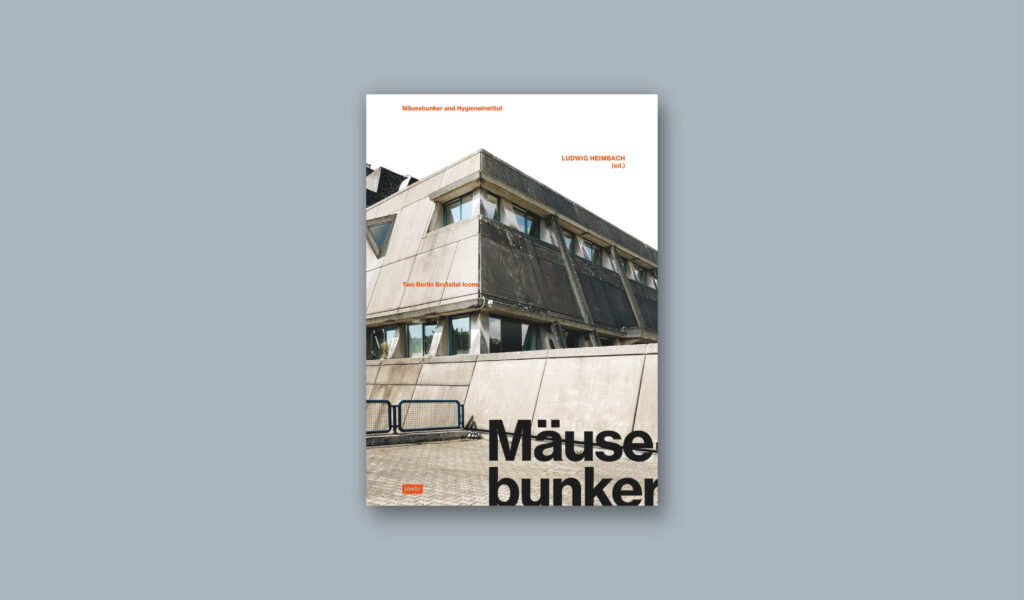
Two Berlin university buildings from the 1970s and early 1980s have become icons of the debate over whether to demolish or repair buildings.
How to approach post-World War Two architectural heritage? The Modern Heritage issue outlines alternative approaches to the question.
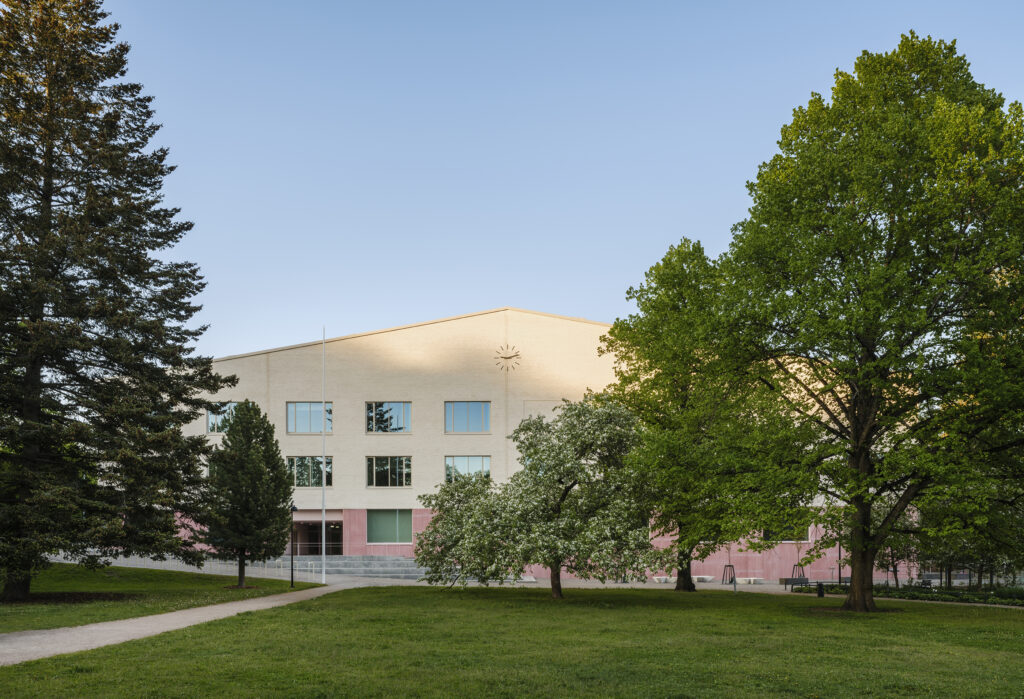
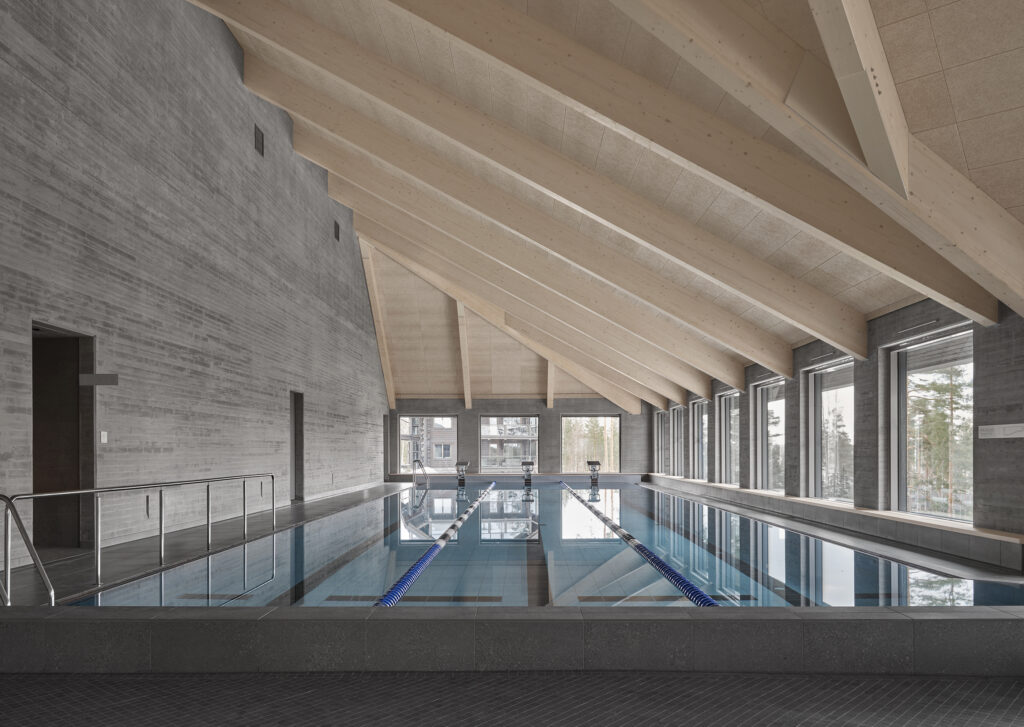
A swimming hall adapts skilfully to its diverse neighbours – a zoo and 1970s hotel.
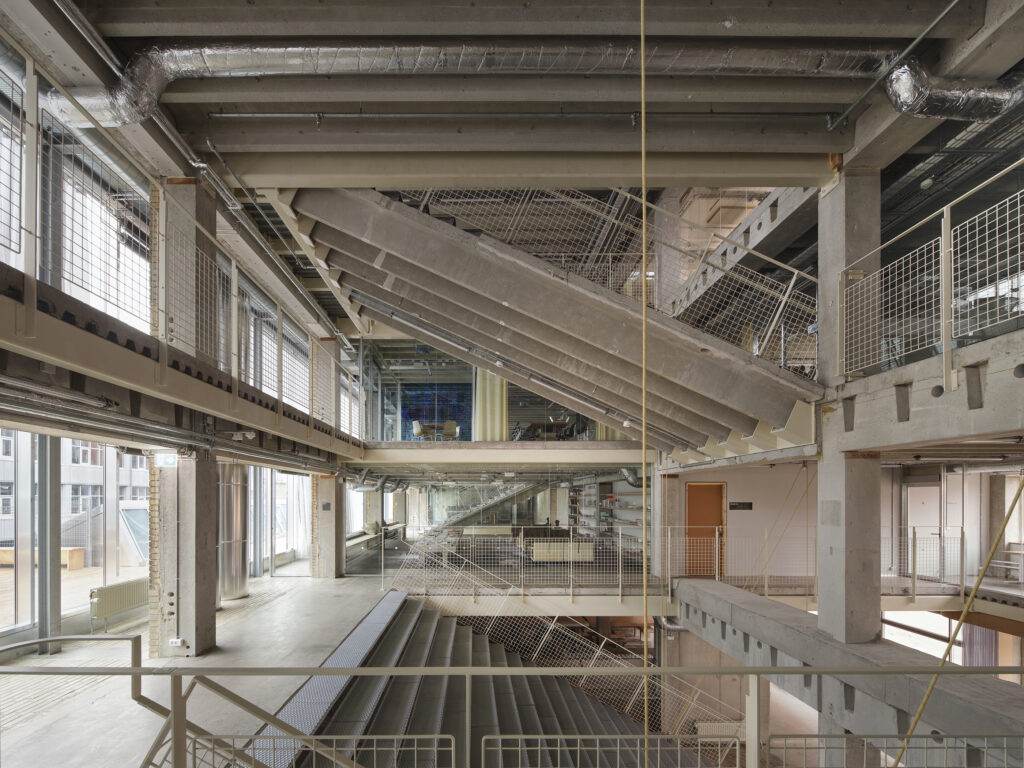
The renovation of a 1970s office building utilized an exceptional amount of old building components.
The renovation of Finlandia Hall has sought to preserve the building’s 1970s atmosphere while avoiding the creation of a new temporal layer. Even subtle changes nevertheless pose a risk to the original architecture.
Myyrmäki Church, considered Juha Leiviskä’s magnus opus, underwent a major renovation in which the ambience in the most central spaces was preserved.
An often-repeated claim in the media and popular discussions is that 1970s buildings were not designed to last for more than thirty or fifty years. Where did this belief come from? Might there be some truth to it?
Without a heritage listing, the preservation or demolition of an office building is up to the property owner. The deciding factor is whether the owner can see beyond an outdated mass of construction.
By tearing down old neighbourhood shopping centres, we are losing not only high-quality architecture but also services, extraordinary culture and tax euros, argues Juhana Heikonen.
Models for a more urban suburb have been sought in a number of directions for half a century already – with varying results.
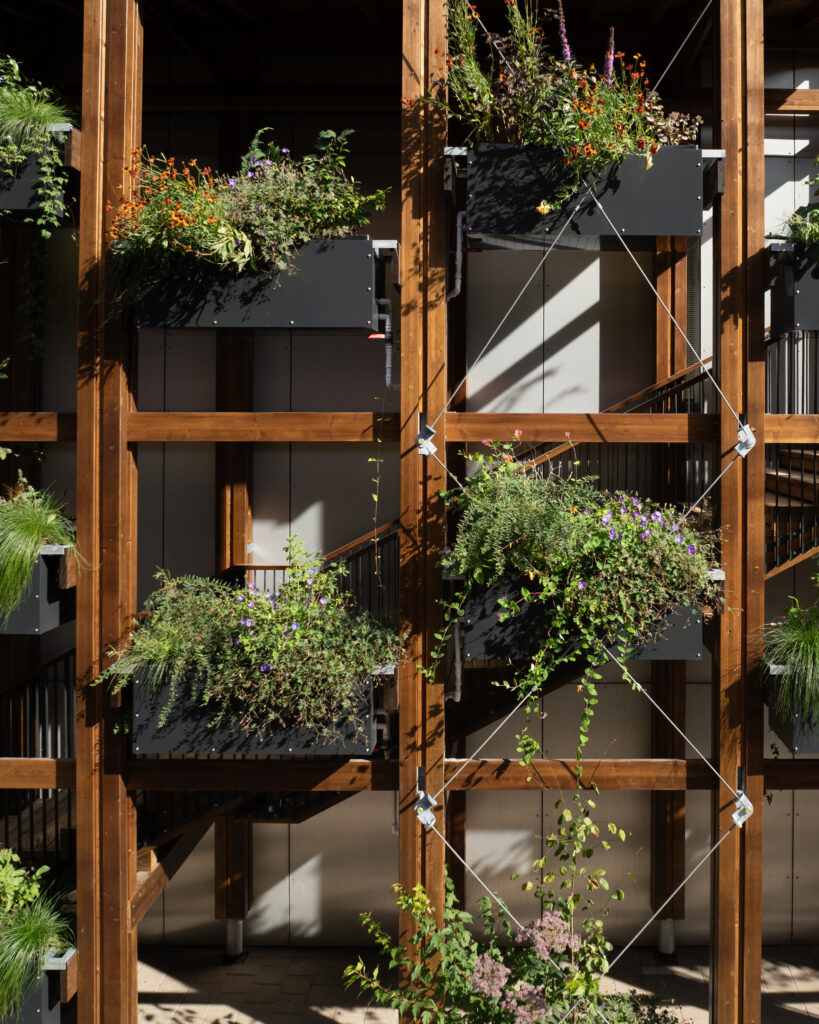
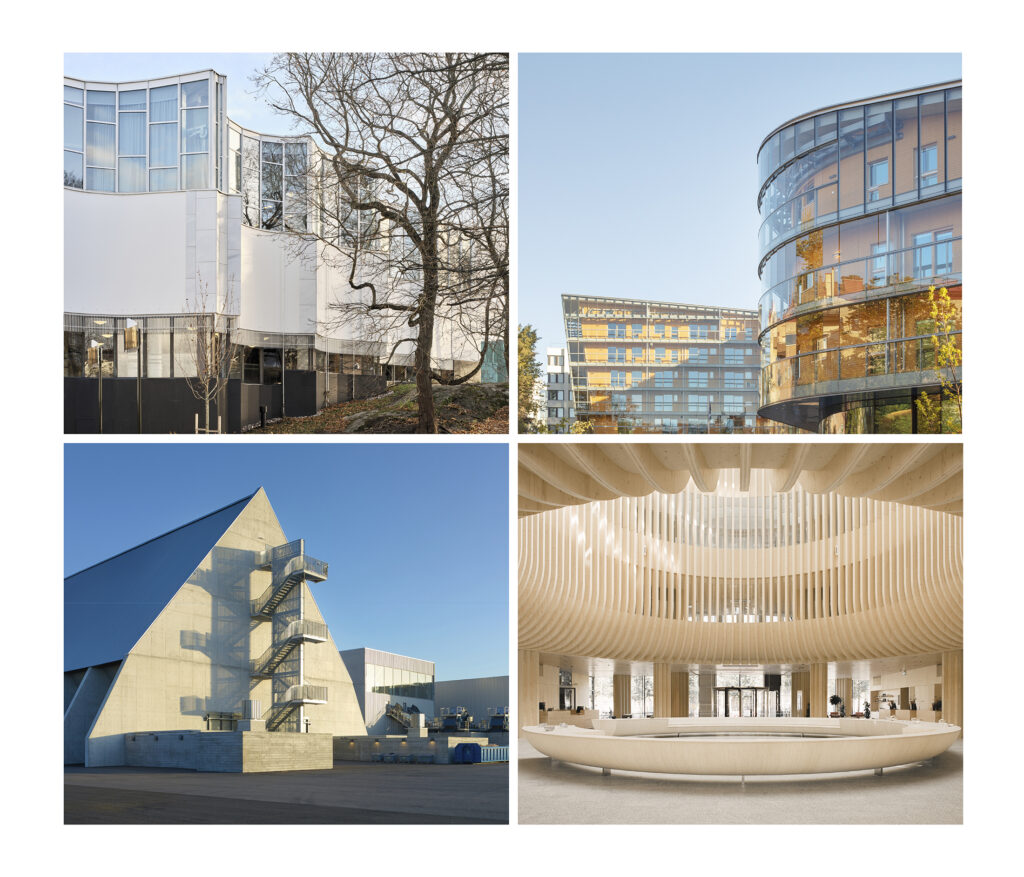
The renovation, infill and renewal of suburban neighbourhoods built during the 1960s and 1970s is a burning issue across Europe. The three examples demonstrate the ways in which this problem has been addressed in Sweden and Denmark.
Residential districts built between the 1950s and 1980s constitute a large geographic segment of Finnish cities. We asked those in charge of urban planning in our largest cities how the suburbs in their cities are being developed right now.
A city that provides room for both people and nature might be found somewhere between apartment blocks and detached houses. The Asuma research project gives a new benchmark for optimal urban density.