ark
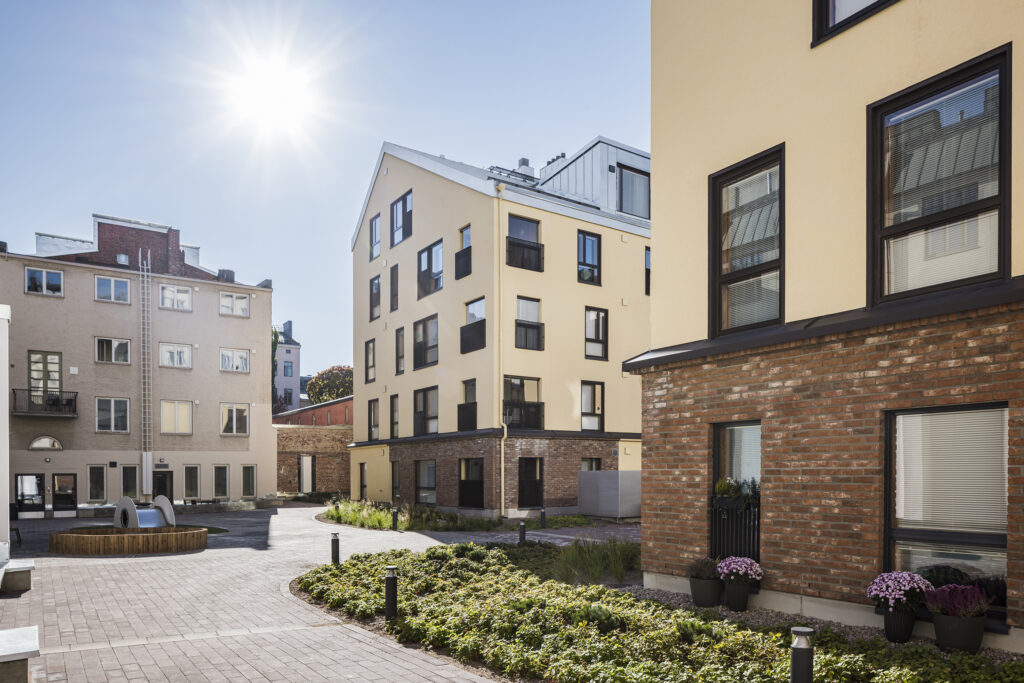
The apartment building in Helsinki’s Kallio district is firmly rooted both in the architecture of a hundred years ago and in the present day.
Social sustainability has traditionally not been taken into account as an element of urban planning, even though it is central to preventing segregation, Emma Savela points out.
In the new column, architects take a stance on a topical issue.
Urban activism has transformative potential – not least for the architects themselves.
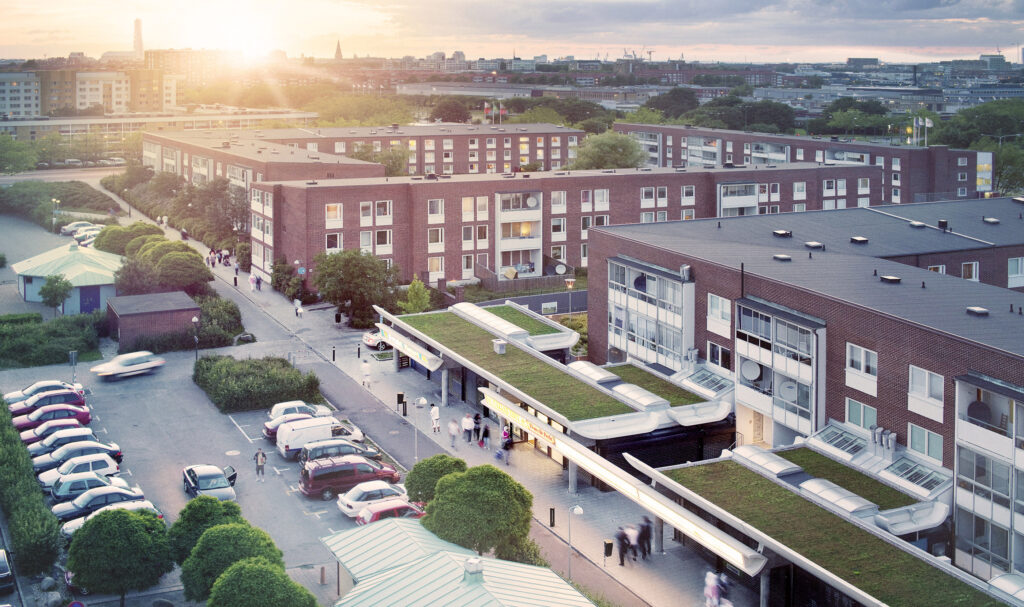
Immigrant entrepreneurs are often disregarded in the redevelopment of Finnish suburban neighbourhoods. Renewal projects in Sweden offer an example of a different approach.
Who does architecture take care of? How should architecture itself be cared for? We asked architects to provide different viewpoints.
On the grounds of the Gösta Serlachius Museum in Mänttä is a sauna building that combines art and a south European interpretation of the Finnish sauna bathing tradition.
A child receives a triple vaccine in a health care clinic in Kuusamo in 1961. Photo: Finnish Heritage Agency Finns have alternately built and dismantled the welfare state, depending on political power relations.
We asked the architects of the Serlachius Art Sauna how they approached the design task.
Along with the Covid-19 pandemic, there has been a growing interest in the impact of the living environment on health and wellbeing. A research consortium led by the University of Oulu is trying to find out how future epidemics can be tackled by means of urban planning.
Writers of the book Ilmakirja present some research results on the energy efficiency of natural ventilation systems.
The 2010s started a construction boom in the Finnish social and healthcare service sector. What kind of architecture has it produced? We collected recently completed and ongoing projects.
The rational architecture of 1970s provided a flexible framework for transforming a geriatric hospital into a modern senior centre in Myllypuro, Helsinki.
With the new healthcare buildings, a large number of old care buildings will be demolished or modified for new use. What kind of architecture and building heritage will we lose in the process?
Norms and expectations for indoor temperatures are culturally dependent. Therefore they could be also questioned, argues Frans Saraste.