ark
Subscribers have a full access on our website and the digital magazine archive.
Subscribe
I am already a subscriber
Futudesign Helsinki 2023
Architecturestudio NOAN Lieto 2024
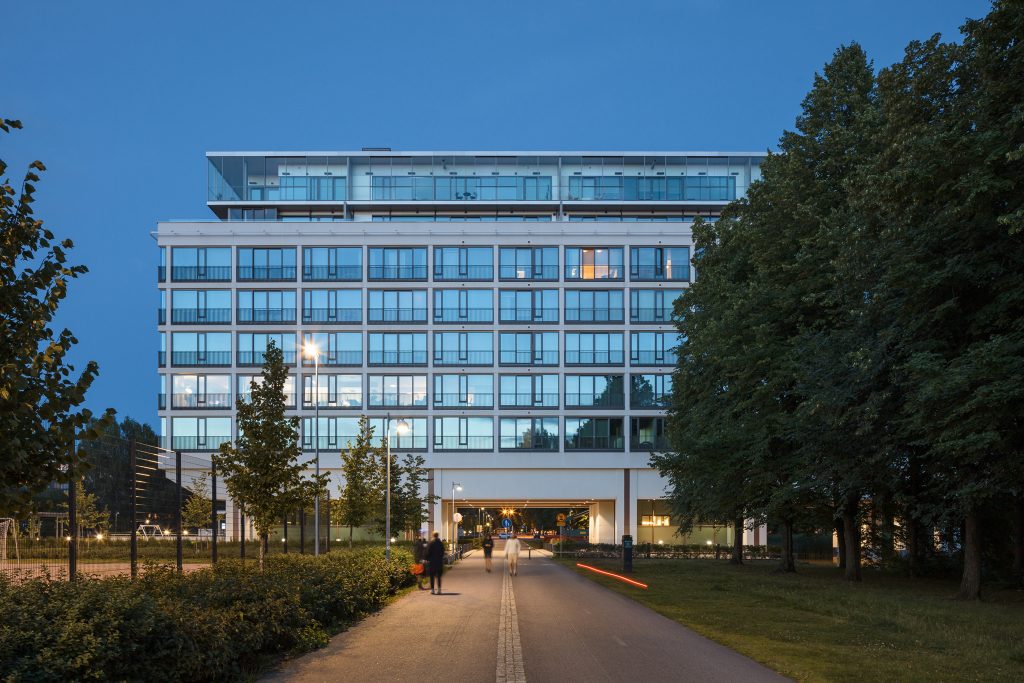
Photo: Sami Saastamoinen The former office spaces became lofty apartments in an extensive conversion. The new row house connects the large building better to its surroundings.
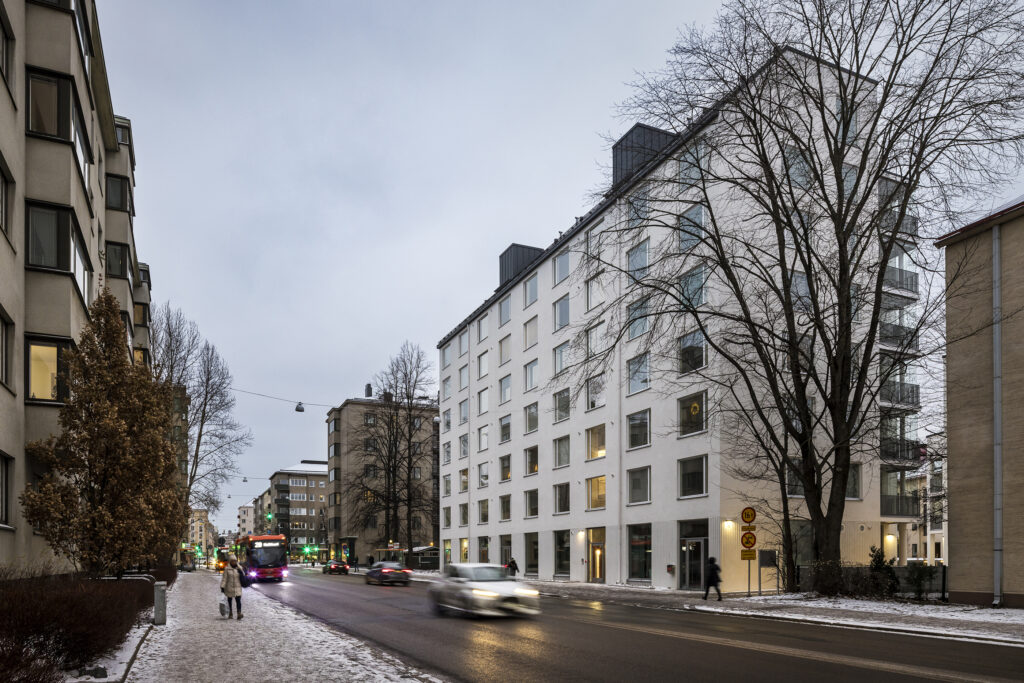
The three-storey apartment building blends in with the 1930s architecture of Helsinki’s Töölö district, in terms of both its appearance and structure.
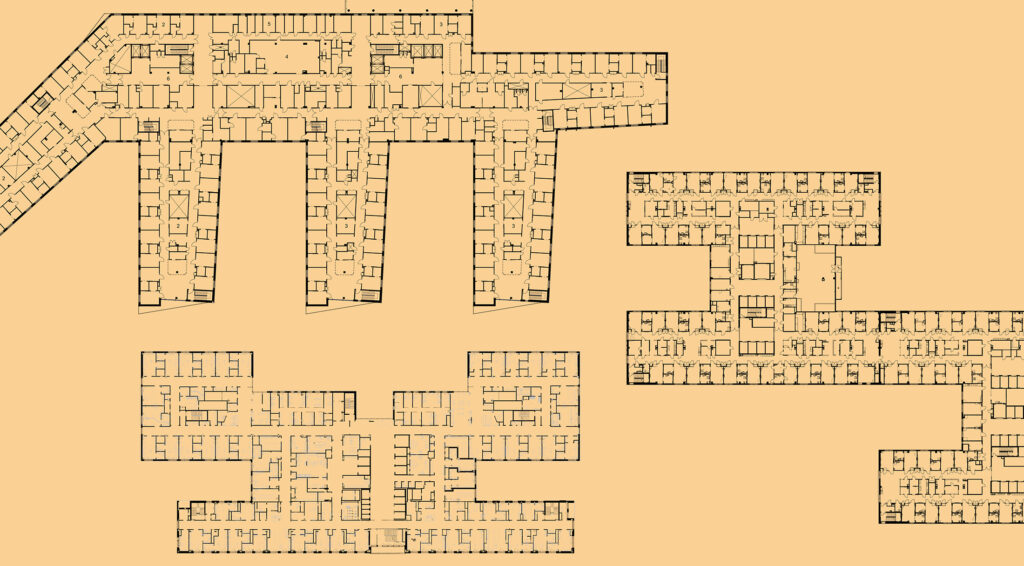
The 2010s started a construction boom in the Finnish social and healthcare service sector. What kind of architecture has it produced? We collected recently completed and ongoing projects.